


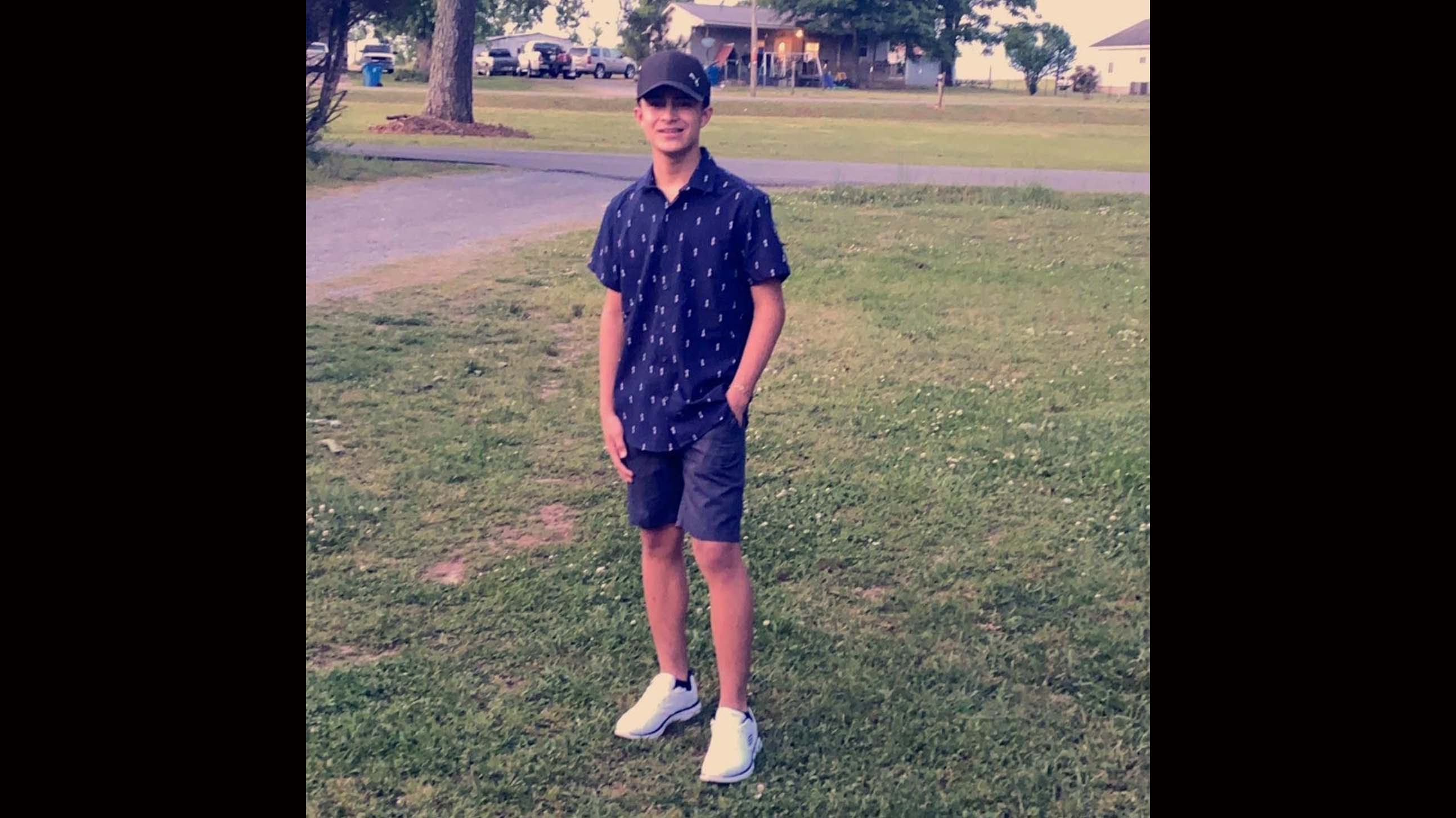
(WASHINGTON) -- Elder Chavez Carranza believed his last year of high school would consist of preparations for his graduation, prom and planning for his future.
Instead, the 18-year-old has spent more than 200 days in an immigration detention center in Louisiana, hundreds of miles from his home in Albertville, Alabama.
Chavez Carranza who is from Copan, Honduras, entered the U.S. when he was 14 and was later granted Special Immigrant Juvenile classification when he was a minor, a designation for certain immigrant children who have been abused, abandoned or neglected that provides humanitarian protection, his lawyer said.
According to immigration lawyers, the primary benefit of SIJS is that it provides eligible youth under 21 a pathway to obtain a green card. Historically, immigration authorities exercised prosecutorial discretion to avoid arresting or deporting individuals with pending or approved SIJS applications.
The 18-year-old said he was on his way to buy food when a police officer stopped him and began asking about his identification and immigration papers. After explaining to the officer that he did not have documents with him, he said the officer contacted immigration authorities.
"I was going to buy a torta when the officer stopped me. He first asked me for my ID and whether I had papers. I told him, 'no.' Then he called ICE. They asked me what kind of papers I had, and I told them I had status. But they didn't even give me time to show them my papers. They just took me away," Chavez Carranza told ABC News from detention.
Dalaney Mecham, Chavez Carranza's immigration attorney, said he had already been granted SIJ classification by USCIS but that a separate deferred-action application, which could allow him to remain in the U.S while pursuing the next steps in his immigration case, has not been resolved.
"The federal government has already decided that he deserves protection; Congress decided that children like him deserve protection; and USCIS has already looked at his application and approved it," Mecham said. "The only thing standing between him and that protection while he waits for his lawful process to continue is the very same government that created this pathway."
A spokesperson for the Department of Homeland Security told ABC News that "Chavez-Carranza will remain in ICE custody pending his immigration proceedings."
"He will receive full due process," DHS added. "Being in detention is a choice. We encourage all illegal aliens to take control of their departure with the CBP Home App."
For the past nine months, Chavez Carranza has been at the Winn Correctional Center in Louisiana, separated from his family, friends and school.
His sister, Maryuri Chavez Carranza, who is his legal guardian, says he calls her every day.
"He tells me, 'I really miss my teachers. I miss my friends. I miss everything about school,'" Maryuri told ABC News.
Immigration advocate Angela Del Valle says she became involved in Chavez Carranza's case after her husband, Carlos, was detained at the same facility and met the 18-year-old there.
Del Valle says she began communicating with his sister and helping the family navigate the detention process. She now speaks with Chavez Carranza regularly and is among the advocates pushing for his release.
"Above all, we want him to know that he's not forgotten," Del Valle said. "We also want the community there at Winn to know that he's cared for, that he's not forgotten."
Advocates and lawmakers have raised concerns about the conditions of the facility where Chavez Carranza is detained. In less than two months, two detainees have died at Winn. DHS has said in statements that the deaths are under investigation and has defended its treatment of detainees in detention centers.
The 18-year -old is one of thousands of people who have been in prolonged detention after being detained by federal immigration authorities, ABC News has reported.
Chavez Carranza said that when he first arrived at Winn, he did not feel comfortable. Over time, he said he began forming friendships with other detainees, including Carlos, who he said was one of the first people he met.
"I do feel protected with them," he said. "They are older people, and they always look out for me."
In detention, the 18-year-old works at the facility unloading trucks. He said that for now, he is focused on finding the strength to get through each day in detention.
"What I ask for most right now, while I'm here, is for God to give me strength so I can keep enduring this confinement. It's very difficult here," he said.
Copyright © 2026, ABC Audio. All rights reserved.

.jpg)

